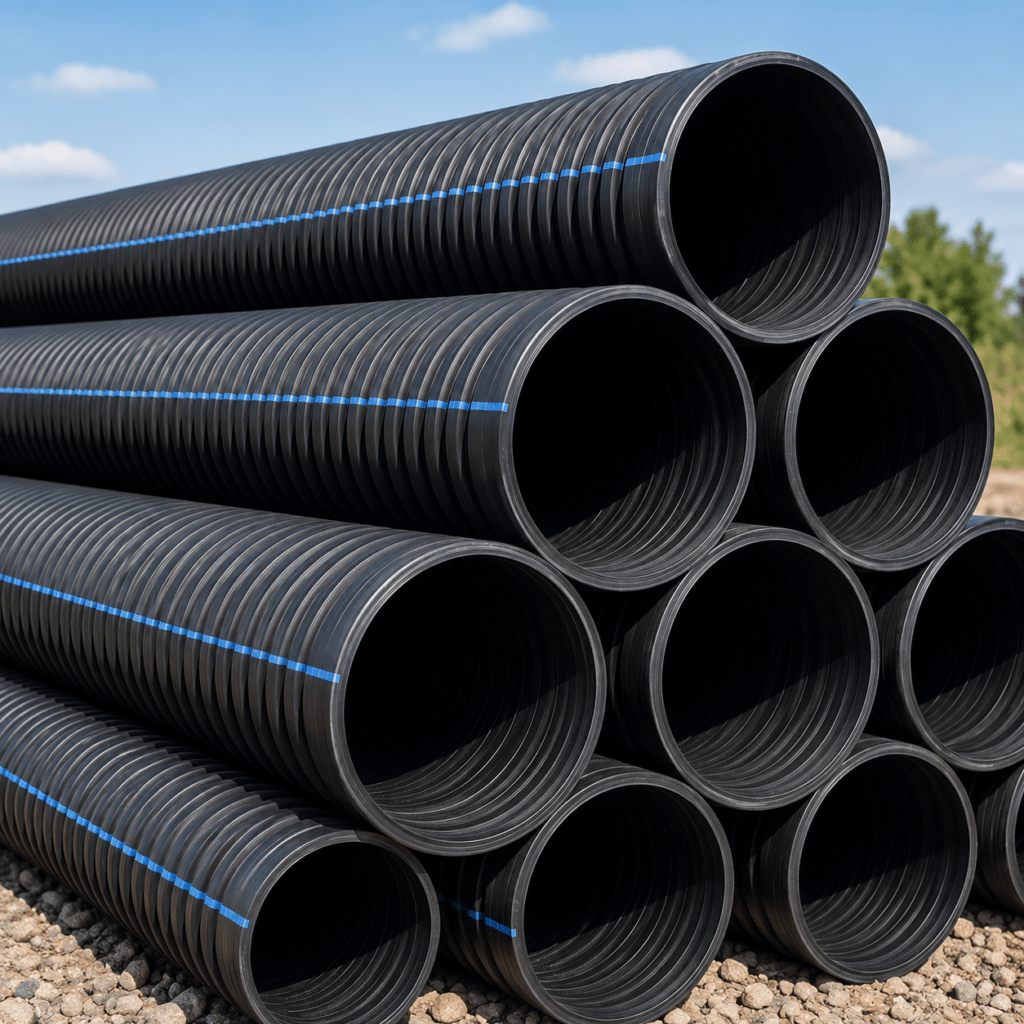
As fiber-optic networks keep expanding across cities, countries, and telecom infrastructure projects, picking the right cable protection and installation system has become more and more crucial. Two things that come up a lot are HDPE ducts and micro ducts, but they are not really the same in practice.
Even though both are meant to shield optical fiber cables and help with fast, effective network deployment, they do different jobs. The decision about HDPE duct vs. micro duct usually comes down to cable diameter and count, the bigger network layout, how the crew is going to install it, and how much physical space is even available on site. And yes, it also depends on future expansion plans and the actual project requirements.
For telecom operators, ISPs, contractors, and infrastructure providers, getting the distinction between an HDPE duct and a micro duct right can lower install headaches. It also supports better long-term reliability for fiber networks.
What Is an HDPE Duct?
An HDPE duct (High-Density Polyethylene duct) is some sort of protective conduit used to house and guard optical fibre cables and other telecom cables.
HDPE ducts are manufactured from high-density polyethylene, that material people often mention as being strong, flexible, resistant to chemicals, and just durable in general. Usually they get installed underground, in trenches, or sometimes with trenchless installation methods.
Depending on the project, HDPE ducts can hold different kinds and sizes of fibre optic cables, and it really depends on what’s being laid.
Typical applications include:
● Long-distance fibre-optic networks
● Metro and backbone networks
● FTTH and FTTx deployments
● Underground telecom infrastructure
● Road and highway crossings
● Data centre connectivity
● Utility and infrastructure corridors
HDPE ducts can also be supplied as single ducts, multi-duct systems, bundled ducts, or duct configurations designed for specific network requirements.